You've launched your affiliate program. Affiliates are sending you customers. Now comes the part that makes or breaks your program: actually paying them.
Get payouts wrong, and your best affiliates will leave for competitors. Get them right, and you'll build a loyal network that keeps driving revenue.
This guide covers everything SaaS founders need to know about paying affiliates: payment methods, payout schedules, tax requirements, and how to automate the whole process.
How affiliate payments work
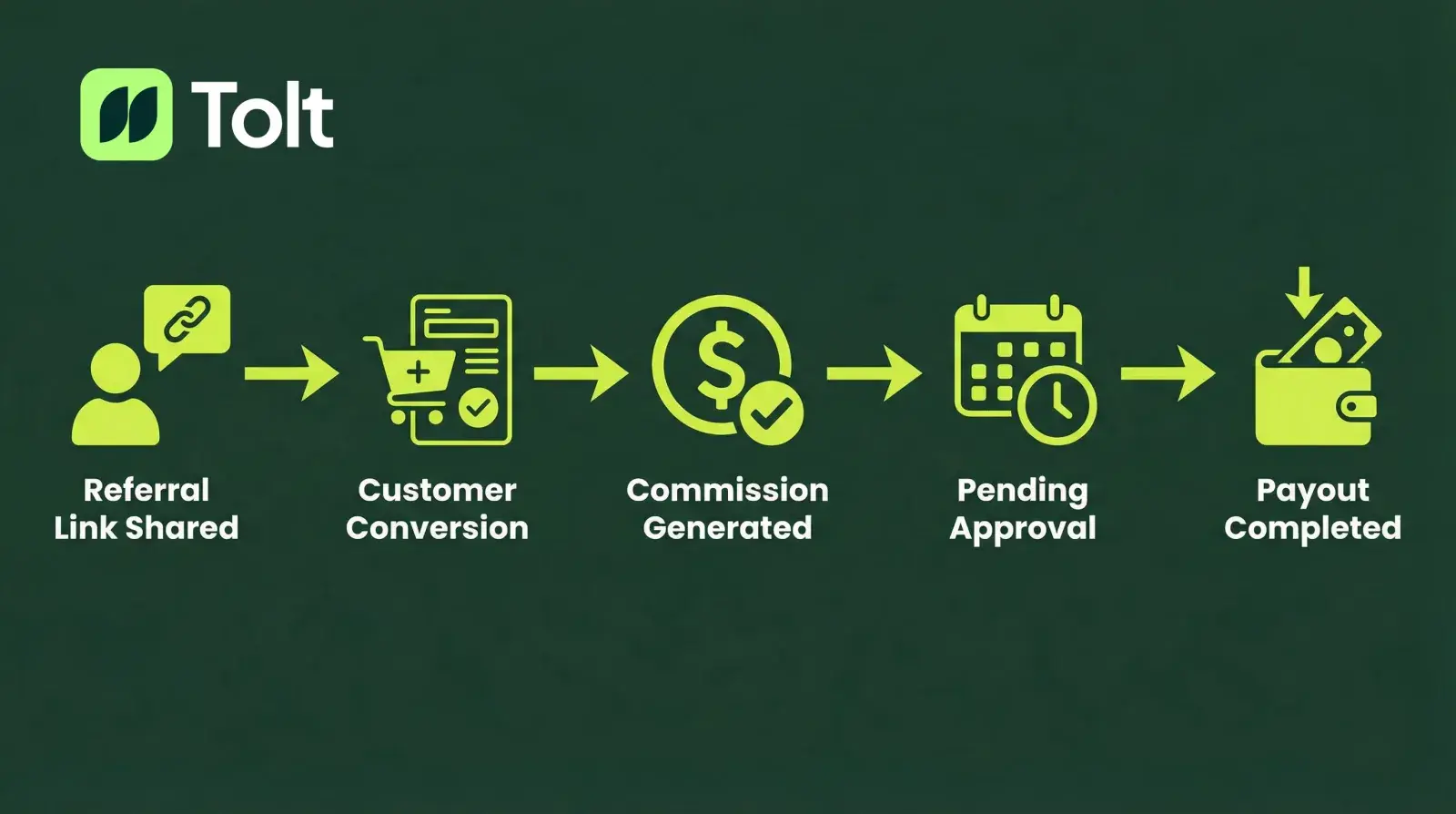
Before diving into the how, let's understand the basics.
The flow
- Affiliate refers a customer using their unique link
- Customer signs up and pays for your product
- Commission is calculated based on your program terms
- Commission enters a "pending" status during the payout term
- After the payout term, commission becomes "approved"
- You pay the affiliate via their preferred method
Why the waiting period? SaaS subscriptions have refunds and chargebacks. If you pay affiliates immediately and a customer gets refunded, you've overpaid. The waiting period (typically 30-60 days) protects you from this.
Affiliate payment methods
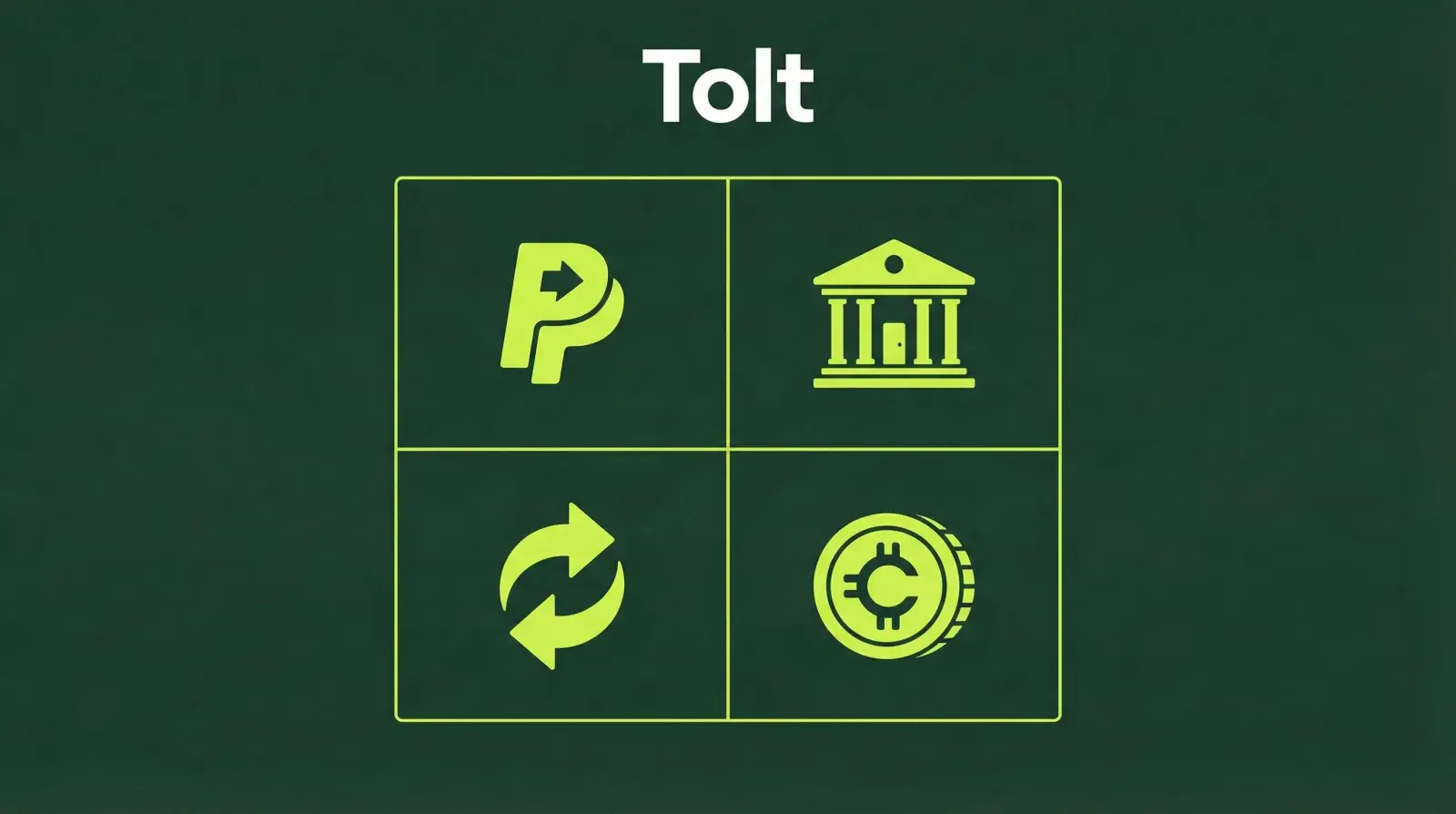
Your affiliates are global. They need flexible payment options.
PayPal
Pros
- Most widely used, affiliates already have accounts
- Instant transfers in most countries
- PayPal Mass Payments for bulk payouts
- Easy to use
Cons
- Fees can be significant (2.9% + fixed fee)
- Account freezes happen
- Not available in all countries
Best for: Small to medium programs, affiliates in developed countries
Wise (TransferWise)
Pros
- Lower fees than PayPal (often 0.5-1%)
- Real exchange rates for international transfers
- Batch payment feature for bulk payouts
- Fast international transfers
Cons
- Less widespread than PayPal
- Some affiliates unfamiliar with it
Best for: International affiliates, cost-conscious programs
Payoneer
Pros
- Popular with international affiliates
- Local bank transfers in 150+ currencies
- Prepaid Mastercard option
- Good for emerging markets
Cons
- Setup can be complex
- Fees vary by withdrawal method
Best for: Affiliates in emerging markets, high-volume international programs
Direct bank transfer (ach/wire)
Pros
- No intermediary fees (for ACH)
- Direct to affiliate's account
- Professional appearance
Cons
- Wire fees can be expensive ($25-50)
- ACH only works domestically (US)
- Requires collecting bank details
Best for: High-value affiliates, domestic (US) programs
Cryptocurrency
Pros
- No borders or banking restrictions
- Fast transfers
- Appeals to tech-savvy affiliates
- Lower fees for large amounts
Cons
- Price volatility
- Tax complexity
- Not all affiliates want crypto
Best for: Tech/crypto niches, affiliates in countries with banking restrictions
Manual vs. automated payouts
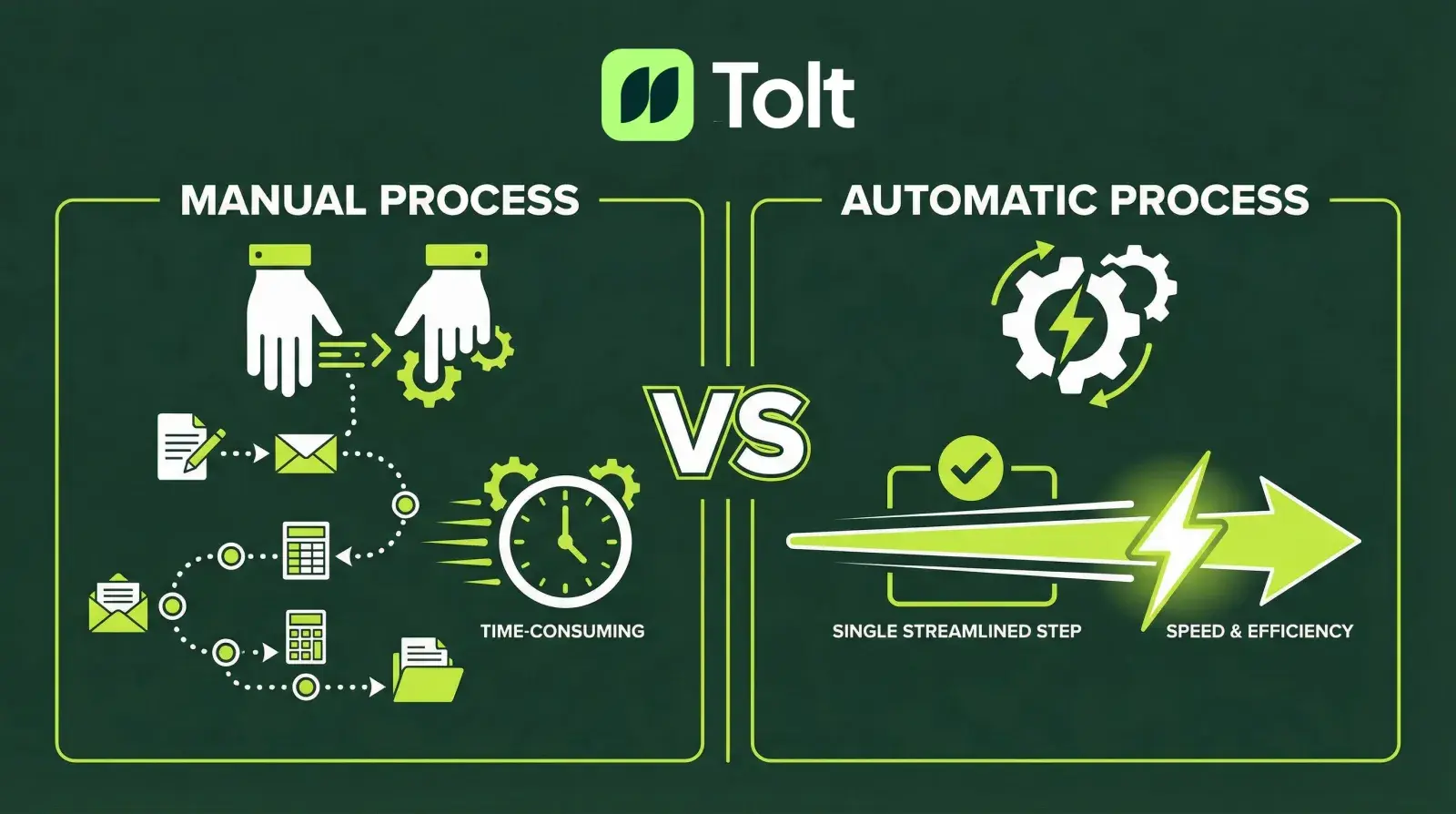
Manual payouts
You calculate commissions, generate a payout file, and process payments yourself.
How it works
- Export pending payouts from your affiliate software
- Review and approve commissions
- Upload CSV to PayPal Mass Payments or Wise Batch Payment
- Process the transfer
- Mark payouts as completed
Pros
- Full control over every payment
- Can review for fraud before paying
- No additional processing fees
Cons
- Time-consuming (especially as you scale)
- Easy to make mistakes
- Affiliates wait longer for payment
Best for: Early-stage programs, founders who want hands-on control
Automated payouts
Your affiliate software handles everything automatically.
How it works with Tolt
- On the 15th of each month (or your custom date), Tolt generates an invoice for all pending commissions
- You pay the invoice by bank transfer or card
- Tolt pays each affiliate by the method they chose: PayPal, Wise, local bank, wire or crypto
- Tolt sends invoices to affiliates and handles tax documentation
Pros
- Set it and forget it
- Affiliates get paid reliably and on time
- No need to maintain PayPal/Wise/Payoneer accounts yourself
- Tax forms (1099, W-9, W-8) handled automatically
Cons
- Small processing fee (2% with Tolt)
- Less manual control
Best for: Growing programs, founders who want to focus on product instead of payouts
Payout · Sep 1, 2026
Auto payout · INV-2026-09
Total paid
$32,251.35
Partners
398
Countries
37
Failed
0
 Marcus Reid
 US
 PayPal$4,186.50SendingPaid
 Jonas Weber
 DEWise$3,600.00SendingPaid
 Tom Brooks
 CAWise$2,282.70SendingPaid
 GBBank transfer$1,392.60SendingPaid
 JPWise$954.00SendingPaid
 INBank transfer$871.20SendingPaid
Setting up your payout terms
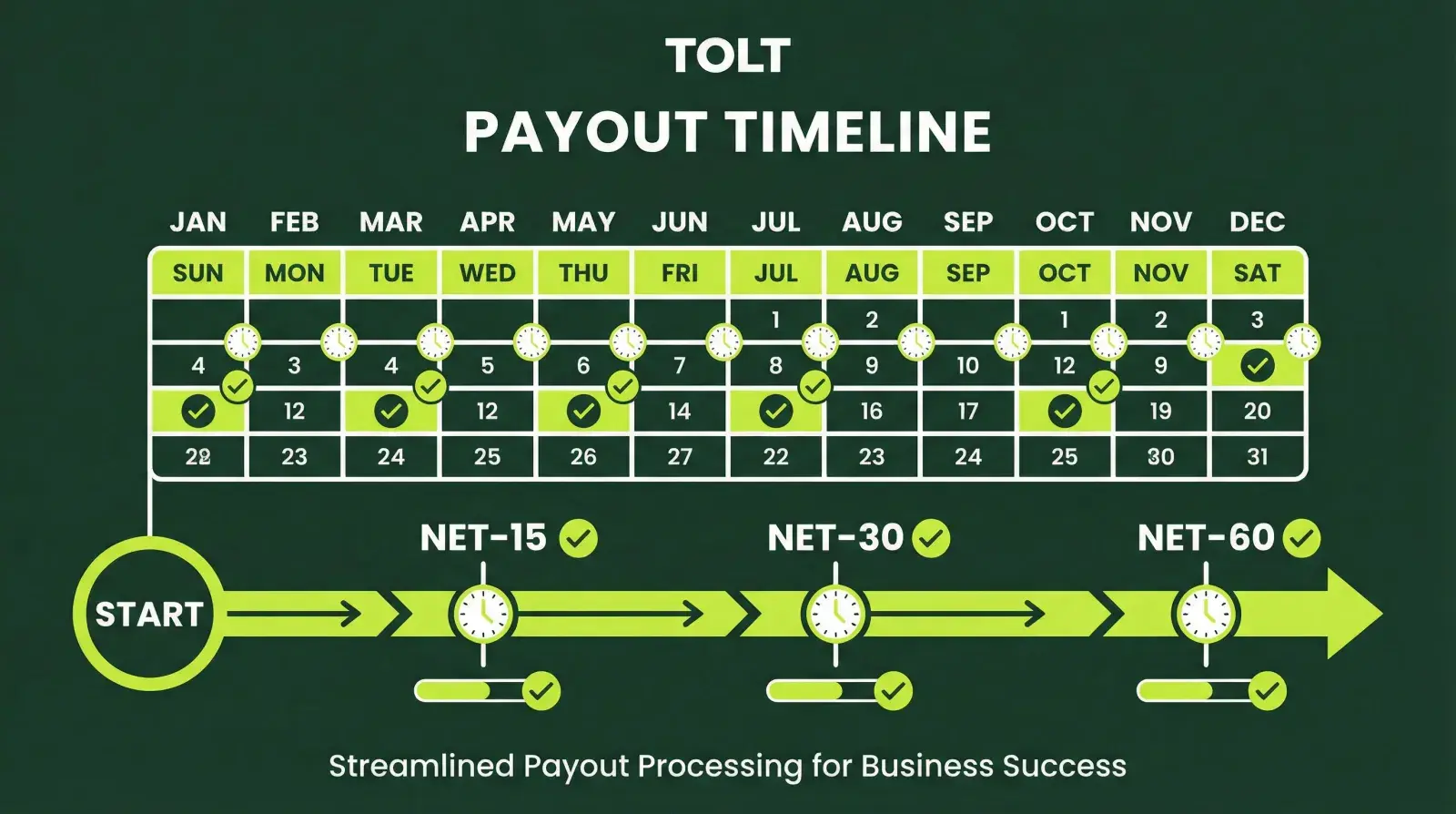
Payout schedule
Common options:
NET-15: Pay 15 days after commission is earned
- Faster payments, affiliates love it
- Higher risk of paying before refunds
NET-30: Pay 30 days after commission is earned
- Industry standard
- Good balance of speed and protection
NET-60: Pay 60 days after commission is earned
- Maximum protection from refunds/chargebacks
- Some affiliates may find this too slow
Minimum payout threshold
The minimum amount an affiliate must earn before receiving payment.
Common thresholds
- $25 (low barrier, more frequent small payments)
- $50 (balanced)
- $100 (fewer transactions, more efficient)
Why set a threshold? Processing many tiny payments is expensive and time-consuming. A $5 payout that costs $1 to process doesn't make sense.
Handling refunds and chargebacks
This is critical. If you don't handle refunds properly, you'll overpay affiliates.
Best practice
- When a customer refunds, automatically debit the commission from the affiliate's balance
- Track this transparently so affiliates can see what happened
- Set your payout term long enough to catch most refunds (30 days minimum)
Tax considerations for affiliate payments
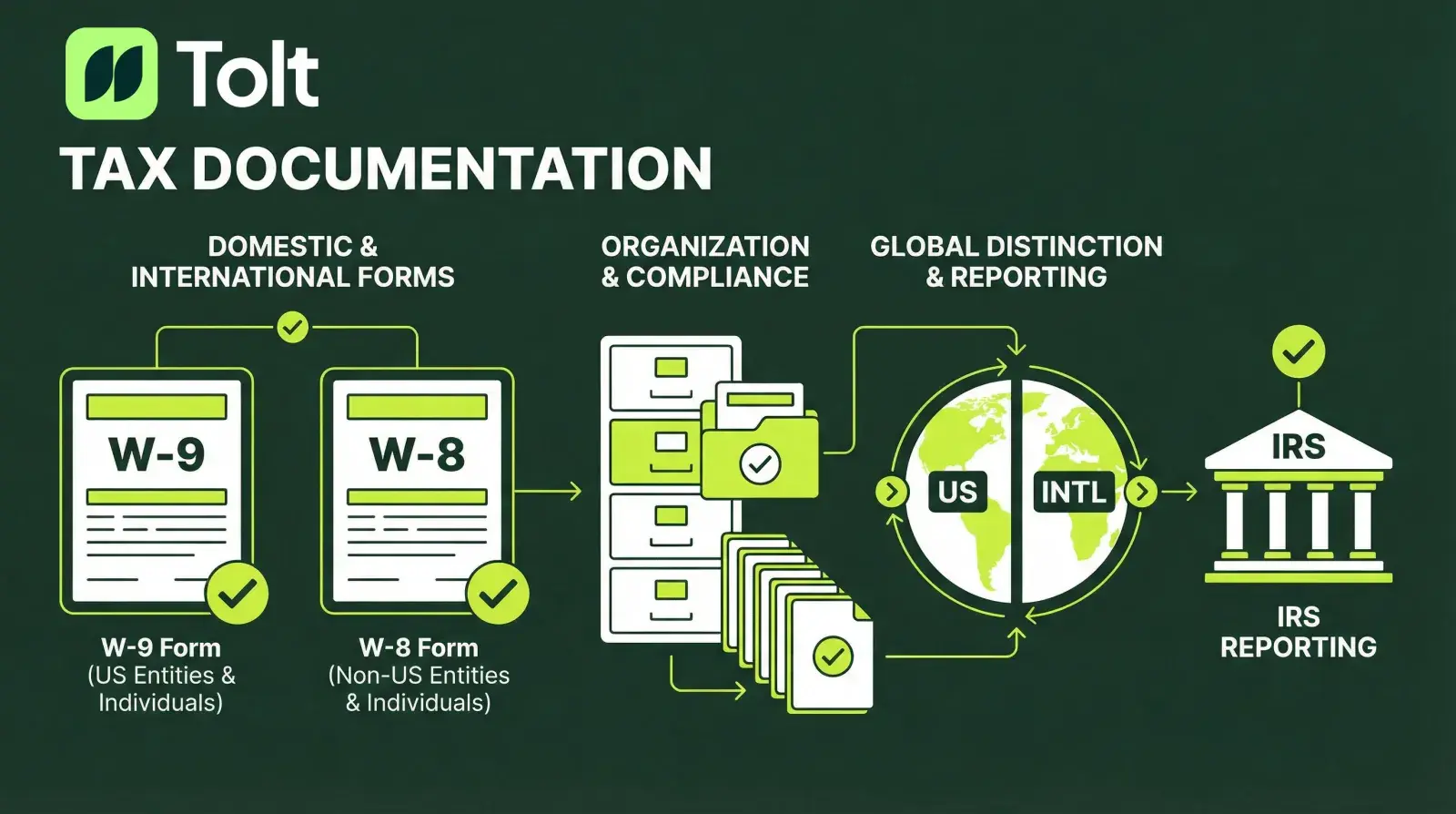
This is where many SaaS founders get nervous. Don't skip this.
For US-based programs
If you pay a US affiliate $2,000 or more in a calendar year
- You must file a 1099-NEC form with the IRS
- You need to collect a W-9 form from the affiliate before paying
If you pay non-US affiliates
- Collect a W-8BEN form
- Generally no US tax withholding required (but consult a tax professional)
Collecting tax forms
W-9 (US affiliates): Collects their legal name, address, and Tax ID (SSN or EIN)
W-8BEN (non-US affiliates): Certifies they're not a US person for tax purposes
When to collect: Before the first payout, or at minimum before year-end
Marcus ReidW-9Mar 14, 2025On fileJonas WeberW-8BENApr 2, 2025On fileAutomating tax compliance
This is painful to do manually. Every Tolt plan includes:
- Automatic W-9/W-8 collection from affiliates
- 1099 filing at year-end
- Individual invoices sent to each affiliate
If you're doing this manually, consider using a service like Trolley or Tipalti for tax compliance at scale.
Step-by-step: paying affiliates with Tolt
Option 1: pay partners yourself
- Go to Payouts in your Tolt dashboard
- Review pending payouts for the current period
- Generate payout file (CSV format)
- Upload to PayPal Mass Payments or Wise Batch Payment
- Process the transfer in PayPal/Wise
- Mark as paid in Tolt
Option 2: auto payouts
- Enable auto payouts in your Tolt settings
- Set your payment method (bank transfer or card)
- Configure payout date (default: 15th of each month)
- Each month, receive an invoice from Tolt
- Pay the invoice, and Tolt handles the rest
- Affiliates receive payment via their preferred method
That's it. Tolt sends invoices to affiliates, collects tax forms, and files 1099s automatically.
Key takeaways
Payment methods: Offer at least PayPal and one alternative (Wise or Payoneer) for international affiliates.
Payout terms: NET-30 is the sweet spot. Long enough to catch refunds, short enough to keep affiliates happy.
Minimum threshold: $50-$100 reduces administrative overhead without alienating small affiliates.
Refund handling: Automatically debit commissions when customers refund. Don't overpay.
Taxes: Collect W-9s from US affiliates, W-8BENs from international. File 1099s for US affiliates you pay $2,000 or more in a year (from 2026).
Automation: Manual payouts work early on, but auto payouts save significant time as you scale.
Questions
How often should I pay affiliates?
Monthly is standard. Some programs pay weekly or bi-weekly, but this creates more administrative work. Monthly payments with NET-30 terms are what most affiliates expect.
What if an affiliate disputes a commission?
Review the tracking data. Check if the referred customer actually converted and if the attribution is correct. If there's a legitimate error, adjust manually. If not, explain your tracking methodology to the affiliate.
Do I need to pay affiliates in their local currency?
Not necessarily. USD is widely accepted. But services like Wise and Payoneer can convert to local currency at good rates, which affiliates often appreciate.
What happens if an affiliate doesn't have PayPal?
Offer alternatives. Wise and Payoneer are good options for international affiliates. Some programs also offer direct bank transfers for high-value affiliates.
How do I handle taxes for international affiliates?
Collect a W-8BEN form from non-US affiliates. This certifies they're not subject to US tax withholding. You generally don't need to withhold or report payments to non-US individuals, but consult a tax professional for your specific situation.
Should I issue 1099s to all affiliates?
Only to US-based affiliates you paid $2,000 or more in a calendar year (for payments from 2026; it was $600 before). For non-US affiliates, collect W-8BEN forms but you typically don't file 1099s.
What if an affiliate wants to be paid in crypto?
If your program supports it, great. Make sure to:
- Document the USD value at time of payment for tax purposes
- Use a stablecoin (USDC) to avoid volatility issues
- Be aware of additional tax complexity for both parties
In Tolt, crypto is a payout method partners can choose, alongside PayPal, Wise, local bank and wire.
Can affiliates choose their payment method?
Yes, and they should. Let affiliates select their preferred method in their portal. This reduces friction and complaints.
What's a reasonable processing fee for auto payouts?
2-3% is typical for managed payout services. Tolt charges 2% for auto payouts. Compare this to doing it yourself: PayPal fees (2.9%+), your time managing payouts, and the cost of tax compliance.
How do I prevent affiliate fraud?
- Set reasonable payout terms (NET-30 or longer) to catch suspicious activity
- Review unusually high-performing affiliates manually
- Use affiliate software with fraud detection
- Monitor for patterns like high clicks with zero conversions

Written by
Damjan, Growth at Tolt

 Capterra

